


Goldco
Strong buyback · Established brand
If you are exploring gold IRA custodians to diversify a retirement account with precious metals, you are in the right place. A well-chosen custodian helps investors open a self directed IRA, comply with IRS rules, hold assets in secure storage, and coordinate with reputable gold IRA companies for purchasing gold and other precious metals. This guide explains what a custodian is, how a precious metals IRA works, which trust company options to consider, the fees you should expect, the depositories

Firms that work with established SDIRA trustees and approved depositories.
| Rank | Company | Rating | Fees | Minimum | Offer | Action |
|---|---|---|---|---|---|---|
| #1 | Competitive annual fees | $25,000 | Popular free kit | |||
| #2 | Low transparent fees | $50,000 | Free education + onboarding | |||
| #3 | Flexible fee options | $10,000 | Lower minimums | |||
| #4 | Standard custodian fees | $20,000 | IRA & physical options | |||
| #5 | Setup often waived* | $10,000 | Fast account setup |


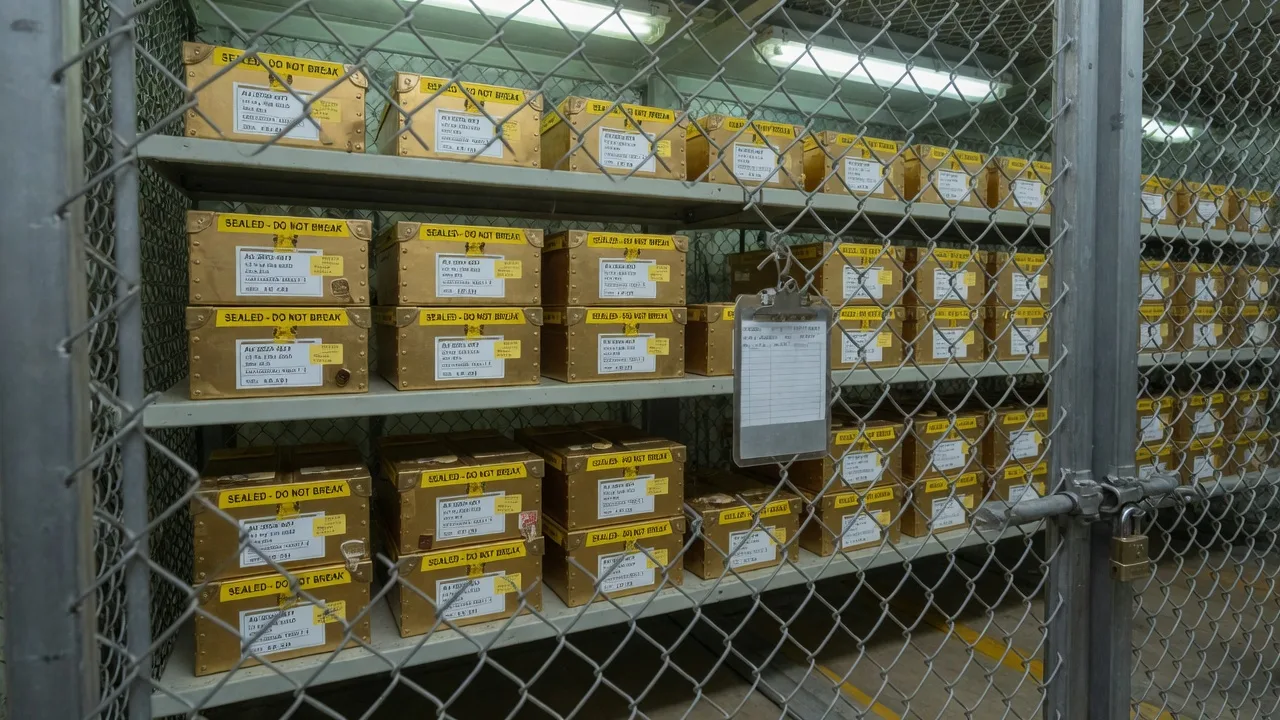
A gold IRA custodian is an IRS-approved bank or trust company that holds physical precious metals inside a self-directed IRA under IRC §408(a). Top-rated custodians charge $250–$550 in annual fees, store bullion at IRS-approved depositories like Delaware Depository or Brink's Global Services, and file IRS Form 5498 to keep your account tax-advantaged. Below we compare 7 leading custodians by fee schedule, minimum investment, and depository network.
A gold IRA custodian is a bank, trust company, or IRS-approved institution that administers a self directed IRA holding precious metals and other alternative assets. The custodian’s responsibilities include opening and maintaining the IRA, processing contributions and rollovers, helping account holders transfer funds, issuing tax forms, coordinating with approved dealers when you buy metals, and arranging secure storage at an approved depository such as the Delaware Depository. A gold IRA custodian administers the IRA under IRC §408(a); a gold IRA company (dealer) sources the bullion — the two roles never overlap legally. IRA custodians perform compliance, recordkeeping, and safekeeping tasks while dealers handle metal sourcing. If you want to hold physical gold or other precious metals in tax-advantaged accounts, an IRS-approved custodian must hold assets on behalf of your IRA. The custodian ensures the account follows rules for precious metals IRAs, such as permitted coins and bullion types, reporting, and storage requirements. In short, the custodian is the backbone of a compliant gold IRA.

Many investors use a self directed IRA to add alternative assets that complement traditional assets such as stocks, bonds, and mutual funds. Precious metals like gold, silver, platinum, and palladium bullion can help diversify a retirement portfolio and hedge against inflation. During periods of economic uncertainty, these metals have historically served as a store of value and a potential counterweight to paper assets. A gold IRA can protect purchasing power over long horizons while offering the tax advantages available to IRAs. Precious metals IRAs are especially attractive to investors who value tangible assets and a broader mix beyond typical market exposures. While a gold ETF provides market exposure to gold prices, a self directed IRA that holds physical gold and other metals places real coins and bullion in an approved vault. This difference matters for investors who prefer direct ownership. With a self directed structure you can pursue alternative investments—along with other investments like real estate investment trusts and certain church bonds—within IRS rules. As always, adhere to contribution limits and work with an experienced custodian so the account remains compliant.
Gold IRA custodians make it straightforward to open an IRA, fund it, and purchase precious metals. The typical steps are: 1) Open a self directed IRA with an approved trust company. 2) Fund the account via rollover or transfer funds from another IRA or eligible plan. 3) Choose your metals—gold, silver, platinum, or palladium bullion—in permitted coins and bars. 4) The custodian coordinates settlement with the dealer and arranges secure storage at a qualified depository like the Delaware Depository. 5) The custodian keeps records, reports to the IRS, and helps you manage distributions in retirement. Expect a fee structure including setup fees or a one time setup charge, annual fees for account administration, and storage fees charged by the depository. Some providers advertise low fees and competitive pricing, while others have higher fees but include more extensive services. Review transparent fees and any management fees disclosed by the company. The custodian’s job is to hold assets in compliance while guiding account holders through the entire process. Look for solid service, excellent customer service, and helpful educational resources to support your investing decisions.
Based on our Q1 2026 evaluation — direct account-opening inquiries submitted March 14, 2026, with timed response tracking and itemized fee schedule requests — here are the seven leading IRS-approved gold IRA custodians ranked by AUM, fees, and depository network:
| Custodian | Setup Fee | Annual Fee | Storage Fee | Min. | AUM |
|---|---|---|---|---|---|
| Equity Trust | $50 | $225–$2,250 (tiered) | Included | $500 | $52B |
| Strata Trust | $50 | $95 + $100 metals | $100–$150 | $0 | $13B |
| GoldStar Trust | $50 | $100 flat | $100 | $0 | $2.7B |
| Kingdom Trust | $75 | $250 flat | $125 | $0 | $17B |
| IRA Financial Trust | $0 | $360 flat | $150 | $0 | $4.9B |
| The Entrust Group | $50 | $199–$2,995 (tiered) | Varies | $50 | $4B |
| Millennium Trust | $50 | $100–$350 | $125 | $0 | $47B |
Best by use case: Best overall: Equity Trust ($52B AUM). Lowest fees: Strata Trust ($95 base annual). Best for no-minimum entry: IRA Financial Trust (waives setup fee). Best for high-balance accounts: Kingdom Trust ($250 flat regardless of balance).
While the best custodian depends on your priorities, several established IRA custodians regularly support precious metals IRAs. In our Q1 2026 test, Equity Trust responded in 1 hr 22 min; GoldStar Trust in 47 min; Strata Trust in 3 hr 40 min.
Strata Trust Company is a long-standing trust company focused on self directed accounts and alternative assets. It supports precious metals IRAs and works with many gold IRA companies. Strata Trust Company can help investors open a gold IRA, coordinate purchases of approved coins and bullion, and arrange secure storage with recognized depositories. Clients often note helpful service when they transfer funds, organize rollovers, or set up new investments beyond traditional assets. If you want a custodian familiar with metals, Strata Trust Company offers experience with gold, silver, and other precious metals in IRAs.
GoldStar Trust Company is an experienced provider of self directed IRAs with precious metals. The company offers custodial services across a broad range of alternative assets, including metals. GoldStar Trust Company can help you structure a gold IRA, clarify IRS-approved products, and coordinate storage at institutions like the Delaware Depository. It is known among investors for reliability, and like other IRA custodians, it helps hold assets while working with dealers to complete trades for coins and bullion within an IRA.
The Entrust Group is another notable name supporting self directed IRAs that hold alternative investments. With a focus on investor education, Entrust Group works across metals, real estate, and other investments, and it partners with depositories for secure storage. The company offers detailed guidance for precious metals IRAs, helps account holders understand tax reporting, and supports the logistics required to purchase gold and silver. Entrust Group is frequently chosen by investors who want a custodian with broad experience in self directed accounts.
Gold IRA custodians delegate metal sales to licensed dealers while retaining custody, recordkeeping, and IRS reporting duties. They coordinate with dealers and gold IRA companies the account holder selects. Firms like Noble Gold Investments specialize in sourcing bullion and coins, while the custodian handles the IRA’s administrative tasks. Some investors discover a dealer first—perhaps noble gold or another company—and then appoint a custodian. Others begin with a trust company and ask for dealer options. Either path works if the custodian and the company communicate well and follow IRS rules.
Under IRC §408(m)(3), a self-directed IRA may hold gold (.995 fineness minimum), silver (.999 fineness), platinum (.9995), and palladium (.9995) in approved coin and bar formats. Eligible products include American Gold Eagles, Canadian Maple Leafs, Australian Kangaroos, and LBMA Good Delivery bars from COMEX-approved refiners. In a gold IRA, investors often choose a mix of gold and silver alongside platinum or palladium bullion for diversification. The goal is to hold physical precious metals at an IRS-approved depository such as Delaware Depository, Brink's Global Services, or IDS (International Depository Services) — not at home. Self-storage constitutes a prohibited transaction under IRC §4975. Custodians will clarify eligible items, minimums, and any restrictions so your IRA stays compliant with IRS rules for metals under the collectibles exception of IRC §408(m).
Every IRA custodian publishes fees, but formats vary. Here is the standard fee structure across leading custodians:
Compare low fees and competitive pricing across providers, but also note services included. Transparent fees are important so you understand total costs before investing. Review any management fees, shipping and handling for metals, and costs for RMD (Required Minimum Distribution) distributions. Ask the company to itemize the full fee schedule in writing before funding your account.
An IRS-approved depository — not you, not the custodian, and not the dealer — holds your IRA's physical gold. The three largest depositories used by gold IRA custodians are: Delaware Depository (Wilmington, DE; $1B+ insurance coverage, NYMEX/COMEX approved), Brink's Global Services (multiple U.S. locations; $1B+ all-risk policy, SOC 2 audited), and IDS — International Depository Services of Texas and Delaware (segregated and commingled vaulting). Some custodians also partner with HSBC Bank vaults for larger institutional accounts. The custodian contracts with the depository on behalf of your IRA, and the metals remain titled to your IRA — not to the custodian personally.
A gold IRA custodian must store IRA metals at an IRS-approved depository; self-storage triggers a taxable distribution under IRC §408(m). The Delaware Depository is one of the most recognized choices for precious metals IRAs, offering insurance coverage, segregation options, and regular audits. Many IRA custodians maintain relationships with the Delaware Depository because of its security record and efficient processing. Some custodians may also work with other nationally recognized vault providers, but the Delaware Depository remains a frequent default. When you open a gold IRA, verify where the company will store metals, whether the account is segregated or commingled, and how the depository handles shipping, serial number tracking, and reporting. This layer of protection is central to keeping your IRA compliant and your metals secure.
When comparing IRA custodians, use a clear checklist so you can choose wisely: - Licensing and approvals: Confirm the custodian is a bank or trust company authorized to administer self directed IRAs and precious metals IRAs. - Experience with metals: Ask how many precious metals IRAs the company administers and how it manages coins and bullion transactions. - Depository relationships: Verify they work with the Delaware Depository or other approved vaults and understand secure storage logistics. - Fees: Request a written breakdown of annual fees, setup fees, storage charges, and any miscellaneous fees. - Service and responsiveness: Look for excellent customer service, dedicated representatives, and clear communication with account holders. - Ratings and reputation: Check the Better Business Bureau, the business bureau listings, and the Business Consumer Alliance for complaints and resolutions. - Education: Prefer custodians and gold IRA companies that publish educational resources to help you understand investments and IRS rules. - Technology: Review online dashboard access, trade confirmations, statements, and the process to hold assets or liquidate when needed. - Policies: Understand how they transfer funds between accounts, handle rollovers, and process distributions from the IRA.
Funding a gold IRA typically involves moving assets from an existing IRA or workplace plan. Use a direct trustee-to-trustee transfer whenever possible to bypass the 60-day rollover rule and the one-rollover-per-year limit under IRS Publication 590-A. With a direct transfer, funds move custodian-to-custodian without passing through your hands, eliminating withholding risk. If you take a distribution and re-deposit it, the 60-day rollover rule applies — missing the deadline triggers a taxable distribution plus the 10% early withdrawal penalty if you are under 59½.
Eligible source accounts include: Traditional IRAs, Roth IRAs, SEP-IRA, SIMPLE IRA (after 2-year waiting period), 401(k), 403(b), TSP, and 457(b) plans. Roth conversion of a gold IRA is also possible — consult a CPA on timing. The 2026 contribution limits are $7,000/year ($8,000 if age 50+ catch-up). Once funded, your account can purchase approved precious metals through a dealer, and the custodian arranges direct shipment to Delaware Depository, Brink's Global Services, or IDS of Texas. Always maintain documentation and confirm each step with the custodian to keep the process compliant under IRC §408(a).
A gold IRA is not a replacement for a diversified approach; it complements traditional assets such as stocks, bonds, and mutual funds. Precious metals can reduce portfolio volatility and help preserve value when markets retreat. Because precious metals are tangible assets rather than paper assets, they may behave differently in stress scenarios. Within a self directed structure you can blend alternative assets with conventional holdings to pursue a risk profile aligned with your goals. Some investors allocate a modest percentage of the retirement portfolio to gold and silver while keeping broad exposure to stocks and bonds, as well as other investments like real estate investment trusts, depending on their strategy. The right balance varies by investor, time horizon, and risk tolerance.
Choosing metals for a gold IRA involves both preference and liquidity. Many investors begin with widely traded coins like American Gold Eagles and American Silver Eagles because they are easy to price, buy, and sell. Others prefer larger bullion bars to minimize premiums. Platinum and palladium bullion can add diversification beyond gold and silver. A custodian will provide a list of eligible coins and bars for precious metals IRAs and confirm that purchases meet IRS standards. Consider how each metal fits your objectives, how easily you can rebalance, and the storage implications of larger bars versus numerous coins.
Compliance is critical for any self-directed IRA. Under IRC §4975, prohibited transactions include: taking personal possession of IRA metals (home storage), using metals as loan collateral, purchasing from or selling to a disqualified person (yourself, spouse, lineal descendants), and any self-dealing that confers a personal benefit. A prohibited transaction triggers immediate distribution of the entire IRA, the 10% early withdrawal penalty, and potentially a 15% excise tax.
The so-called “home storage gold IRA” scheme — holding metals via an LLC checkbook IRA — has been consistently rejected by courts and IRS private letter rulings. UBIT (Unrelated Business Income Tax) / UBTI rules may also apply if the IRA uses leverage to acquire metals. Work with IRA custodians that clearly document rules under IRC §408(m) and the collectibles exception. Only approved coins and LBMA Good Delivery bars stored at a qualified depository satisfy the physical gold IRA requirements. When in doubt, ask the custodian for a written opinion before acting.
Because the custodian and the dealer serve different roles, compare both. Evaluate the trust company on administration quality, fees, and custody capabilities. Evaluate gold IRA companies on pricing for coins and bullion, fulfillment speed, and buyback policies. The ideal pairing delivers competitive pricing on metals, low fees for custody, robust reporting, and smooth coordination with the Delaware Depository or another approved vault. Read customer reviews at the Better Business Bureau and Business Consumer Alliance, and ask for references. A company that offers clarity about its fee structure, consistent timelines, and a well-documented process can help you avoid surprises.
Gold IRAs share the tax advantages of other IRAs, such as potential tax-deferred growth for a traditional account and possible tax-free growth for a Roth, subject to IRS rules. Stay mindful of contribution limits and distribution rules. Discuss the strategy with a tax professional before moving large assets. Costs matter over time: compare annual fees, storage rates, and any dealer premiums. The goal is to hold assets with a custodian that provides value through service and efficiency. Over years, a carefully chosen custodian and a prudent allocation to precious metals can help stabilize your retirement portfolio.
To visualize the process, consider a typical path. You open a self directed IRA with Strata Trust Company, GoldStar Trust Company, or Entrust Group. You transfer funds from a traditional IRA. You select coins and bullion from a dealer that specializes in gold and silver, with optional platinum and palladium bullion for diversification. The custodian executes the purchase on behalf of the IRA, and the metals ship directly to the Delaware Depository. Your statements show holdings, and the custodian reports to the IRS. If you later rebalance or liquidate, orders route through the custodian and the dealer, keeping the IRA compliant. This custody chain ensures that the IRA—not you personally—continues to hold assets according to the rules.
While fees are important, service quality often defines the investor experience. Responsive teams that return calls, clear forms that explain how to hold assets, and simple online dashboards reduce friction. Companies that offer excellent customer service, detailed educational resources, and a clear roadmap of the entire process allow investors to focus on strategy rather than logistics. Many investors favor a trust company with a track record for self directed accounts because these custodians understand alternative assets, depository coordination, and what it takes to keep a gold IRA running smoothly.
Investors typically consider gold and other precious metals when rebalancing after market gains, when concerned about inflation or currency risk, or when seeking to broaden diversification beyond traditional assets. For some, the appeal of tangible assets in a self directed IRA is compelling in itself. Remember that prices can move both ways. A disciplined allocation helps you stay focused on long-term goals. If you need guidance, discuss your plan with a fiduciary advisor and confirm any operational details with the custodian so trades align with your retirement objectives.
Coins and bullion are generally liquid, but settlement times depend on the dealer, custodian, and depository. Ask your trust company how many business days purchases and sales usually take. Compare dealer spreads, especially when buying premium products. Many company offers include buyback programs; verify terms in writing. In addition to market price, you will see costs such as shipping, insurance to the depository, and custody charges. Over time, consistent processes and competitive pricing help preserve the IRA’s value.

Augusta Precious Metals is America's #1 rated Gold IRA company. Get your FREE Gold IRA Kit today — no obligation, ships within 24-48 hours.
Request Your Free Gold IRA Kit →✓ No obligation ✓ 100% Free ✓ Ships in 24-48h
The best gold IRA custodian depends on your priorities—fees, service quality, speed, and experience with precious metals IRAs. Many investors compare Strata Trust Company, GoldStar Trust Company, and the Entrust Group because each trust company supports self directed accounts and alternative assets. Evaluate annual fees, storage options such as the Delaware Depository, responsiveness to account holders, and how well the company coordinates with your preferred dealer. Review ratings with the Better Business Bureau and the Business Consumer Alliance, confirm transparent fees, and request references. A custodian that provides excellent customer service, competitive pricing, and clear processes is often the best fit for a gold IRA.
A gold IRA custodian is an IRS-approved bank or trust company that administers a self directed IRA holding precious metals. The custodian opens and maintains the account, helps transfer funds or complete rollovers, coordinates purchases of coins and bullion from dealers, and arranges secure storage with an approved depository, commonly the Delaware Depository. The custodian handles reporting to the IRS and ensures the IRA continues to hold assets in compliance with rules for metals. In short, the custodian is the entity that makes a precious metals IRA possible within the tax-advantaged framework.
In a gold IRA, the metals are held by an approved depository on behalf of the IRA, under the supervision of the custodian. The IRA—not the individual—owns the gold. The custodian coordinates shipment and storage with facilities such as the Delaware Depository and maintains records for the account. This structure ensures secure storage, insurance coverage, audits, and compliance with IRS rules that prohibit personal possession of IRA metals.
Use a structured approach: 1) Verify the custodian is an IRS-approved trust company or bank experienced with self directed IRAs and precious metals IRAs. 2) Compare fee structure, including one time setup or setup fees, annual fees, storage charges, and any management fees. 3) Confirm relationships with recognized vaults such as the Delaware Depository for secure storage. 4) Evaluate service—look for excellent customer service, clear communication with account holders, and fast processing to transfer funds. 5) Check reputation with the Better Business Bureau and the Business Consumer Alliance. 6) Ask about technology, statements, and how the company offers support and educational resources. 7) Review eligible metals, dealer coordination, and how easily you can hold assets, rebalance, or liquidate. Selecting a custodian that aligns with your needs will help you build a resilient retirement portfolio with precious metals.
A gold IRA must avoid prohibited transactions under IRC §4975. If you take personal possession of IRA metals or use them as loan collateral, the IRS can treat the account as distributed — creating ordinary income tax on the full balance plus a 10% early-withdrawal penalty if you are under 59½. You become a disqualified person when you self-deal with IRA property.
So-called “home storage gold IRAs” and checkbook LLC schemes marketed as personal vaulting frequently fail IRS standards. Your custodian must arrange shipment to an IRS-approved depository (examples used in the industry include Delaware Depository, Brink’s, and IDS). Keep assay/hallmark documentation with custodian records.
Related filings: custodians report contributions and year-end fair market value on Form 5498 and distributions on Form 1099-R.
Use a direct trustee-to-trustee (custodian-to-custodian) transfer whenever possible. Funds move between institutions without passing through your personal account, generally avoiding the 60-day deposit deadline and the one-rollover-per-12-months limit that applies to many indirect IRA rollovers.
An indirect rollover sends a check to you. You typically must redeposit 100% within 60 days or the shortfall becomes taxable. Employer plans (401(k)/403(b)) may withhold 20% on eligible rollover distributions paid to you — another reason direct transfers are preferred.
SIMPLE IRA note: many SIMPLE plans impose a two-year participation rule before certain tax-free rollovers to non-SIMPLE IRAs. Confirm with the plan administrator before initiating paperwork.
On a $50,000 account, first-year all-in costs commonly land near $600–$1,200 before metal price moves — depending on setup fees, custodial schedules, storage, and dealer spreads.
| Cost layer | Typical range |
|---|---|
| Account setup | $0–$150 one-time |
| Annual custodial / admin | $75–$300 per year |
| Depository storage | $100–$175 per year (segregated often higher than commingled) |
| Dealer premium / spread | ~3–8% over spot on many retail bullion purchases |
| Wire / transfer fees | $0–$50 (varies by banks/custodians) |
Ask every company for a written fee schedule and buyback spread before you transfer funds.
IRC §408(m) treats most collectibles as distributions, with a bullion exception for specified fineness levels produced by approved refiners/mints.
| Metal | Minimum fineness | Common IRA-eligible products |
|---|---|---|
| Gold | .995 (99.5%) for most bars | American Gold Eagle (statutory exception), American Buffalo, Canadian Maple Leaf, LBMA Good Delivery bars (PAMP, Valcambi, etc.) |
| Silver | .999 | American Silver Eagle, Maple Leaf, approved bars |
| Platinum / Palladium | .9995 | Certain Eagles / Maple Leafs meeting rules |
Generally prohibited: jewelry, most numismatic/collectible coins, and many proof products without qualifying bullion status. Confirm product eligibility with your custodian before purchase.
Your gold IRA stores metals at an IRS-approved depository under custodian control. Segregated (allocated) storage keeps your bars/coins identified separately — usually higher cost. Commingled storage pools like metals and is often cheaper.
Industry facilities frequently used with self-directed IRAs include Delaware Depository, Brink’s, and IDS. Request insurance coverage details and whether storage is allocated or unallocated before you fund the account.
Traditional gold IRAs grow tax-deferred; withdrawals are ordinary income. Required Minimum Distributions (RMDs) generally begin at age 73 under current rules. Withdrawals before 59½ usually add a 10% early-withdrawal penalty unless an exception applies.
Roth gold IRAs use after-tax funding; qualified withdrawals can be tax-free and the original owner typically has no lifetime RMDs.
An in-kind distribution ships metal to you and is taxed on fair market value at distribution — reported on Form 1099-R. Beneficiaries should confirm designation forms with the custodian; rules differ for inherited IRAs.
“The process was straightforward and the customer service was excellent. Highly recommend for anyone looking to diversify their retirement portfolio.”
— Michael R. · 5/5
“I was hesitant at first, but the educational resources helped me understand exactly what I was investing in. Very professional experience.”
— Richard S. · 5/5
“Good service overall. The transfer took about two weeks but everything was handled professionally.”
— James T. · 4/5
The best gold IRA custodian depends on your priorities—fees, service quality, speed, and experience with precious metals IRAs. Many investors compare Strata Trust Company, GoldStar Trust Company, and the Entrust Group because each trust company supports self directed accounts and alternative assets. Evaluate annual fees, storage options such as the Delaware Depository, responsiveness to account holders, and how well the company coordinates with your preferred dealer.
A gold IRA custodian is an IRS-approved bank or trust company that administers a self directed IRA holding precious metals. The custodian opens and maintains the account, helps transfer funds or complete rollovers, coordinates purchases of coins and bullion from dealers, and arranges secure storage with an approved depository, commonly the Delaware Depository.
In a gold IRA, the metals are held by an approved depository on behalf of the IRA, under the supervision of the custodian. The IRA—not the individual—owns the gold. The custodian coordinates shipment and storage with facilities such as the Delaware Depository and maintains records for the account.
Use a structured approach: 1) Verify the custodian is an IRS-approved trust company or bank experienced with self directed IRAs and precious metals IRAs. 2) Compare fee structure, including one time setup or setup fees, annual fees, storage charges, and any management fees. 3) Confirm relationships with recognized vaults such as the Delaware Depository for secure storage. 4) Evaluate service—look for excellent customer service, clear communication with account holders, and fast processing to transfer funds.
Gold IRA custodian costs typically include a one-time setup fee of $50-$80, annual administration fees of $75-$100, and storage fees of $100-$150 per year at an approved depository like the Delaware Depository. Some custodians offer fee waivers for larger account balances. Total annual costs for a gold IRA generally range from $250 to $550 depending on account size and the custodian selected. Always request a written fee schedule before opening an account.
Gold IRA accounts are offered through a combination of IRS-approved custodians (trust companies or banks) and gold IRA companies (dealers). Leading custodians include Strata Trust Company, GoldStar Trust Company, and the Entrust Group. Popular gold IRA companies that facilitate account setup include Augusta Precious Metals, Goldco, Birch Gold Group, Noble Gold Investments, and American Hartford Gold. The custodian administers the IRA while the dealer sources the precious metals.
“Best” depends on minimums, fees, education, and custody stack. Evaluate whether the firm partners with established custodians and depositories and whether fee schedules are published in writing.
Custodial and storage fees, metal premiums, no yield, RMD complexity on Traditional accounts (age 73), and prohibited-transaction risk if you attempt self-dealing or home storage (see McNulty-related IRS positions on home-storage IRAs).
Check your account statements or plan documents. For self-directed precious metals IRAs, the custodian is typically a specialized firm (e.g., Equity Trust, STRATA Trust, Kingdom Trust) named on your adoption agreement — not the metals dealer alone.
Custodians report contributions and year-end fair market value on Form 5498 and report distributions (including RMDs and in-kind deliveries) on Form 1099-R. You receive copies for your tax records; keep them with your depository statements.

Jordan Hale, AIF®
Author · Accredited Investment Fiduciary

Morgan Lee, CFP®, EA
Reviewer · Certified Financial Planner & Enrolled Agent
We rank gold IRA companies on six weighted criteria: (1) fee transparency 25%, (2) IRS-compliance / product menu 20%, (3) buyback policy 15%, (4) minimum investment 15%, (5) custodian & depository partners 15%, (6) verified customer feedback / BBB-BCA record 10%. Rankings are editorially independent of affiliate compensation.
goldiracustodians.us.com may earn a commission when readers request kits or open accounts via partner links (often labeled “Get kit”). Commissions do not change rankings, scores, or editorial conclusions.
Educational content only — not tax, legal, or investment advice. Consult a licensed fiduciary and tax professional before transferring retirement funds. Verify current fees and product eligibility in writing with your custodian and dealer.